Heating Torus
A milled, torus-shaped test chamber with light bulbs as heat sources and sensors wired to an Arduino, built to measure how geometry shapes temperature inside a volume.
- Year
- 2017–2018
- Type
- Research
- Role
- Co-author
- Location
- Vienna, AT
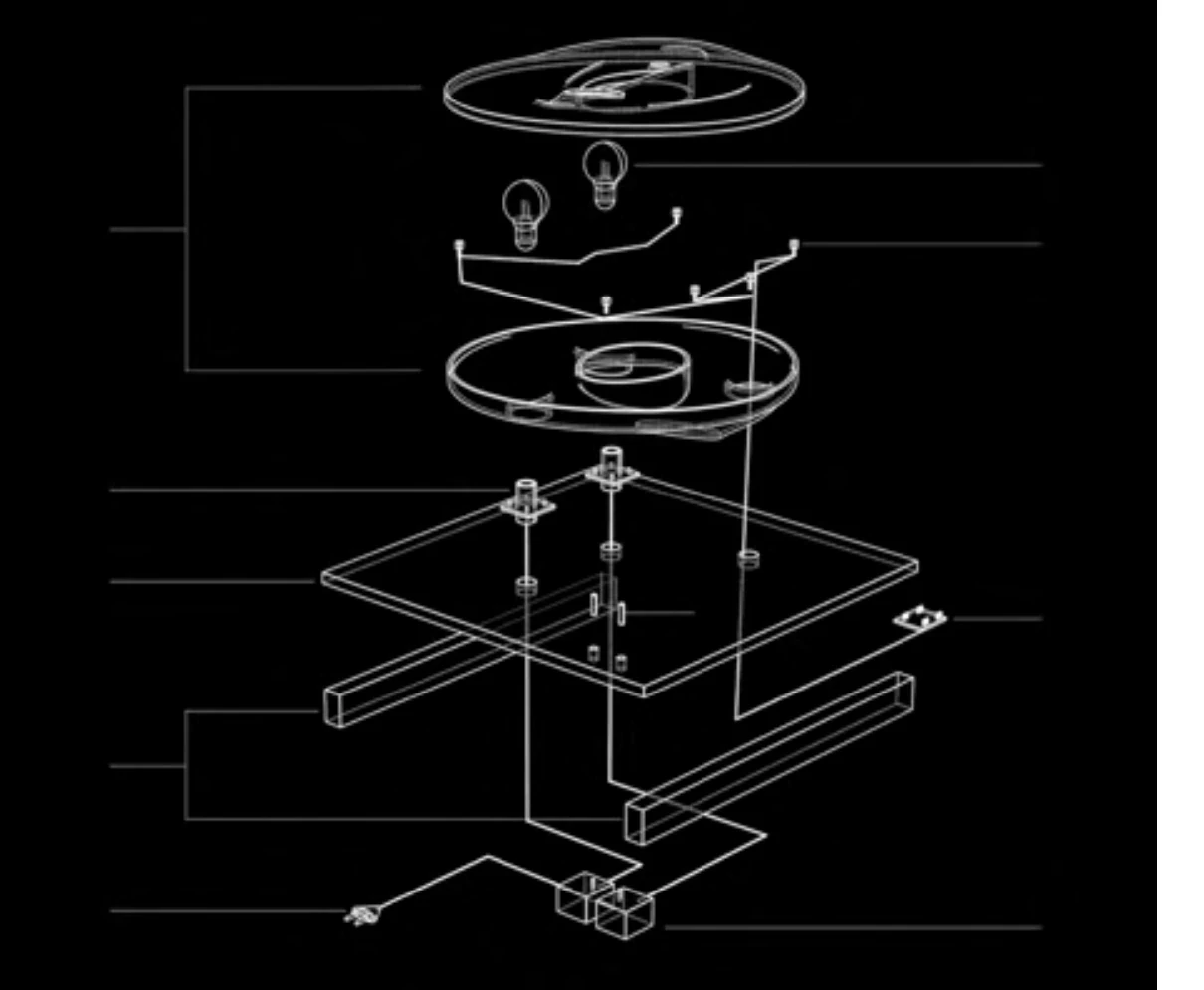
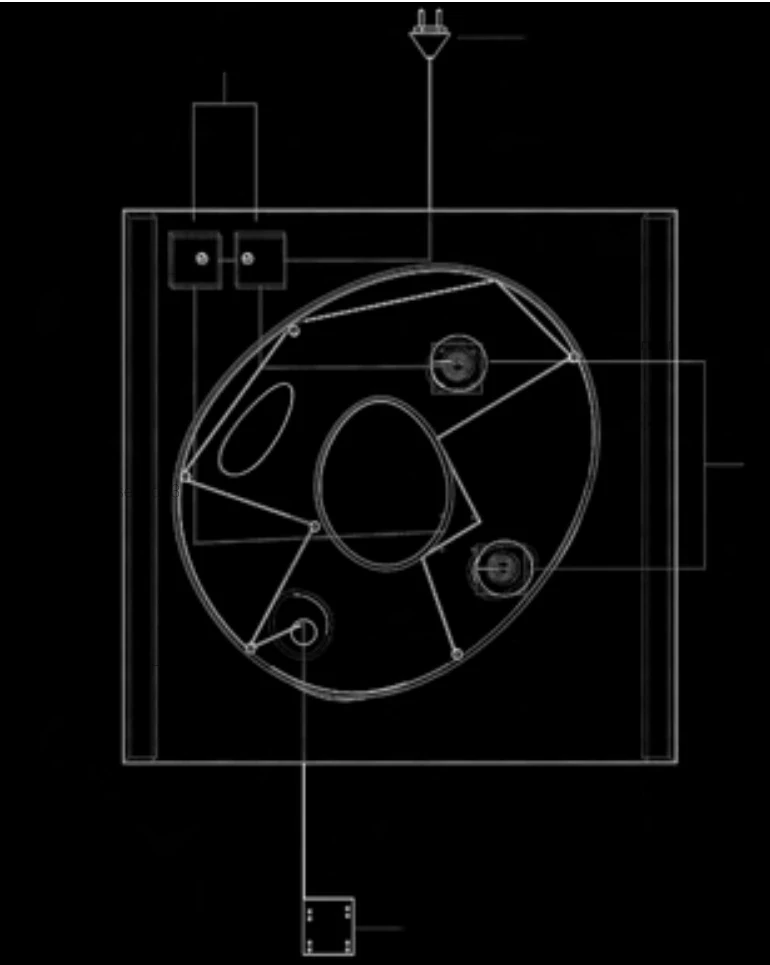
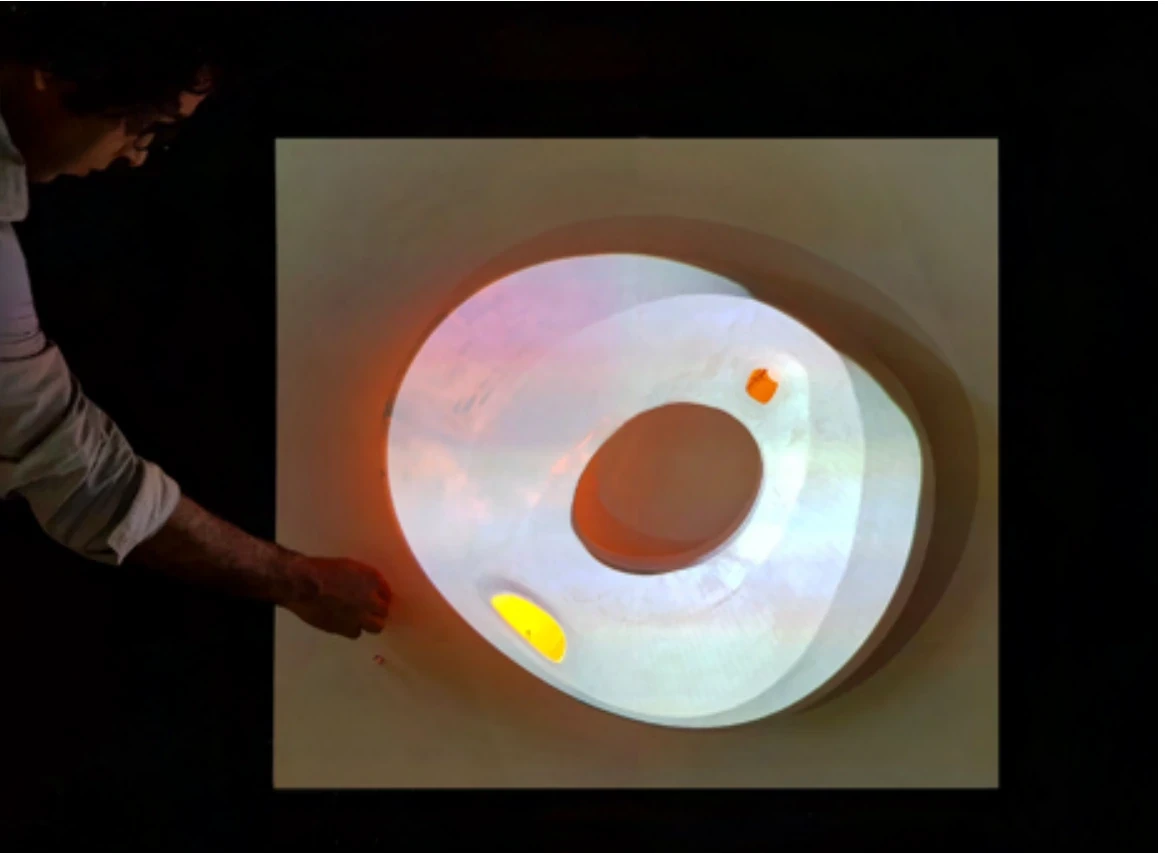
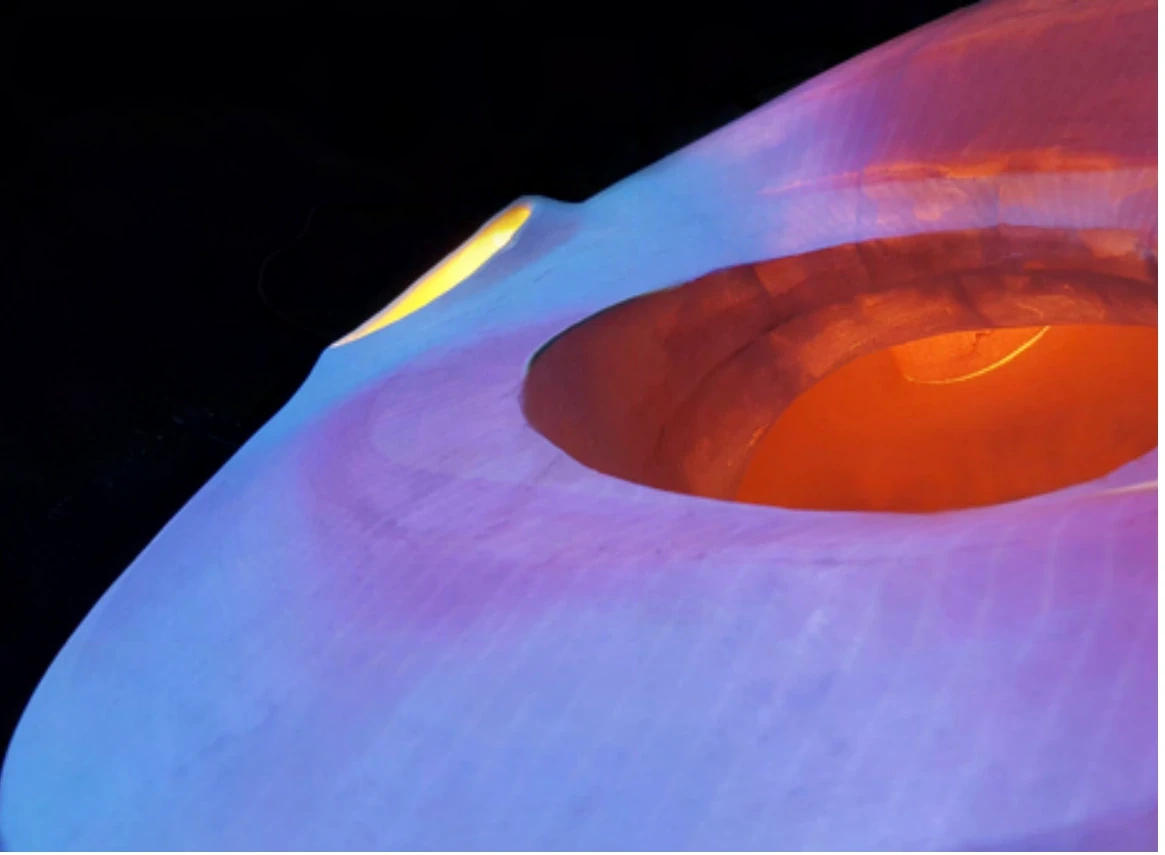
For the course “Adaptive Strategies” we created a volume shaped like a torus, in which we could control the interior climate to a certain extent and, with sensors installed, track the temperature gradients caused by light bulbs used as heat sources.
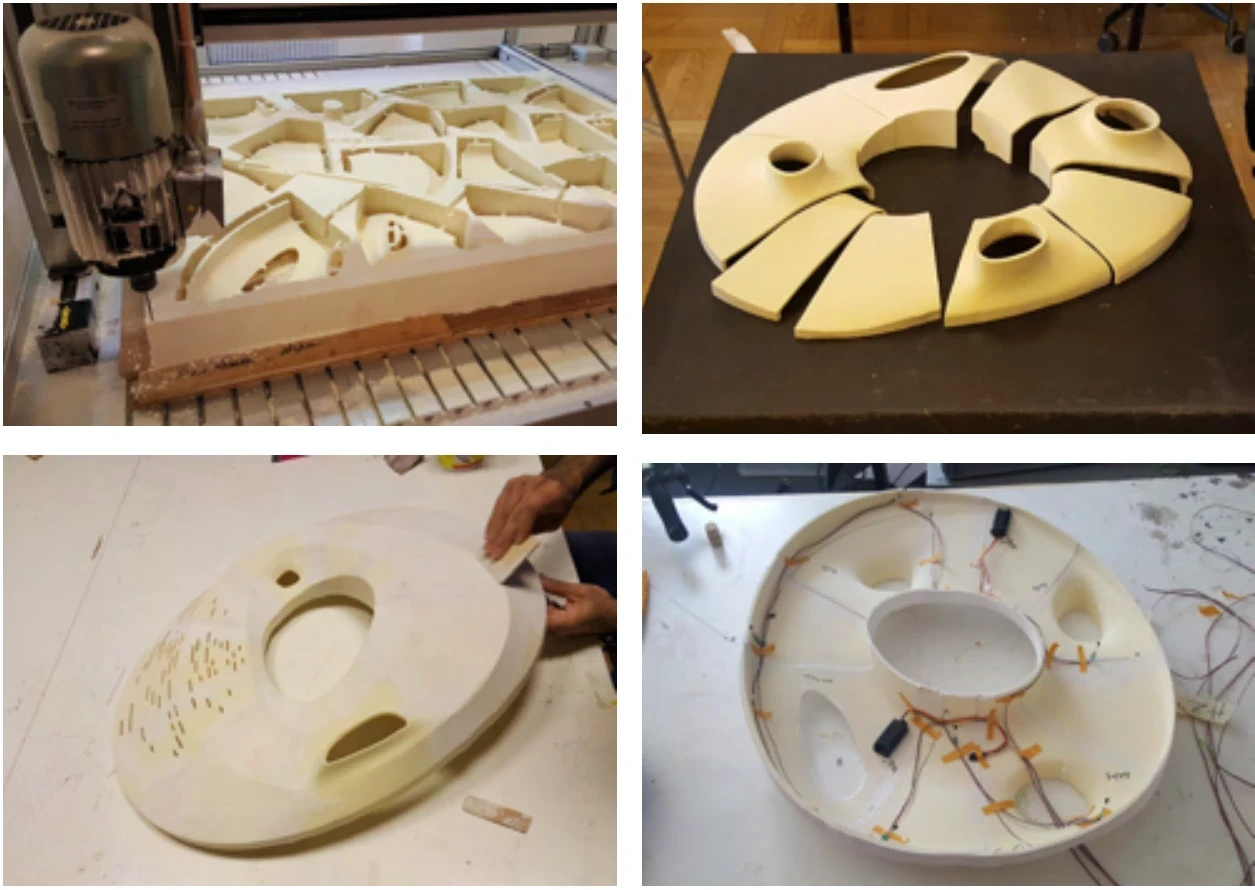
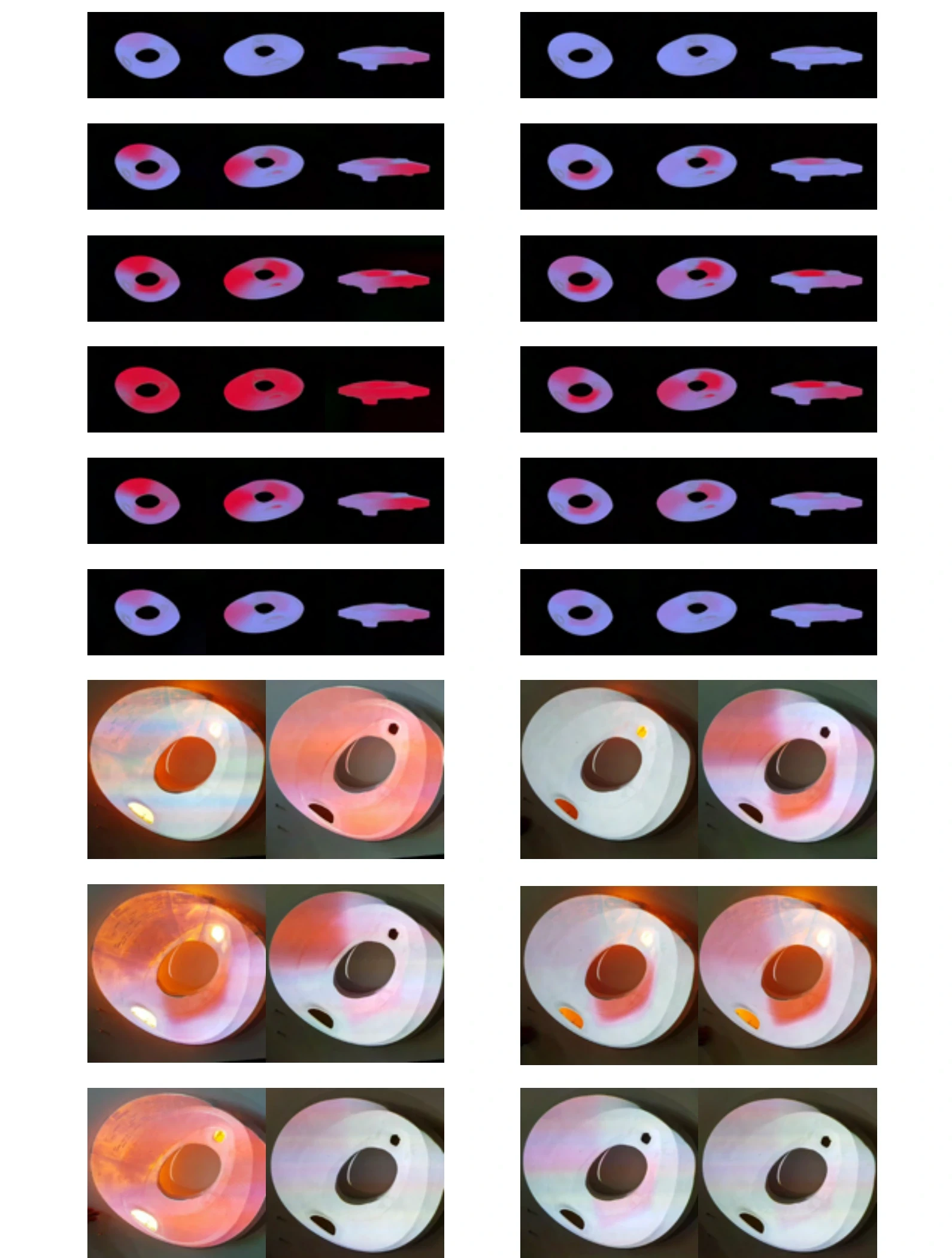
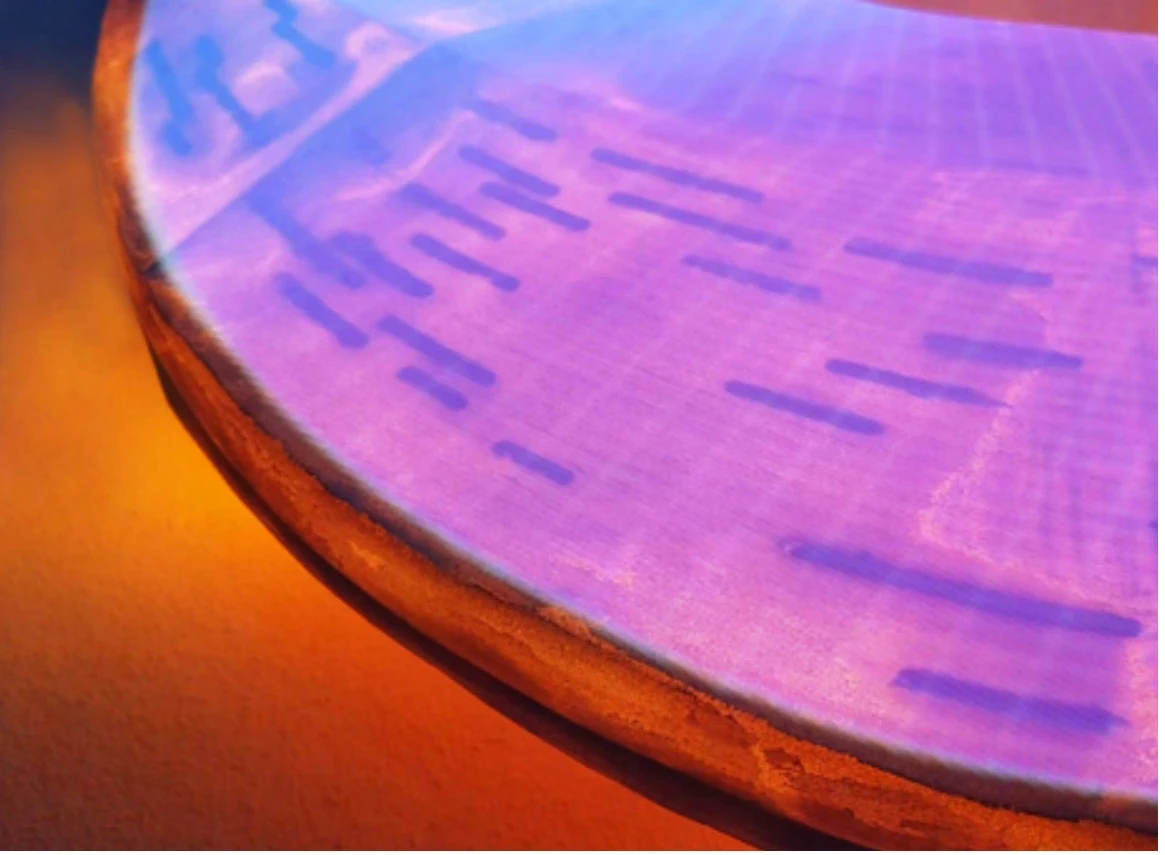
Fabricated as a double-sided milled piece, the geometry works as a test chamber for temperature increase and heat dissipation. Its height varies throughout the volume, and with changing apertures and distances from the heat source, different conditions arise inside the ring. Sensors inside the object, connected to an Arduino board, measure them, and the results are analysed and visualised on the computer.